How Do Human-built Nuclear Power Plants on Earth Generate Energy
The energy released from this chain reaction creates heat. How do human-built nuclear power plants on Earth generate energy.

Nuclear Power 101 Nrdc
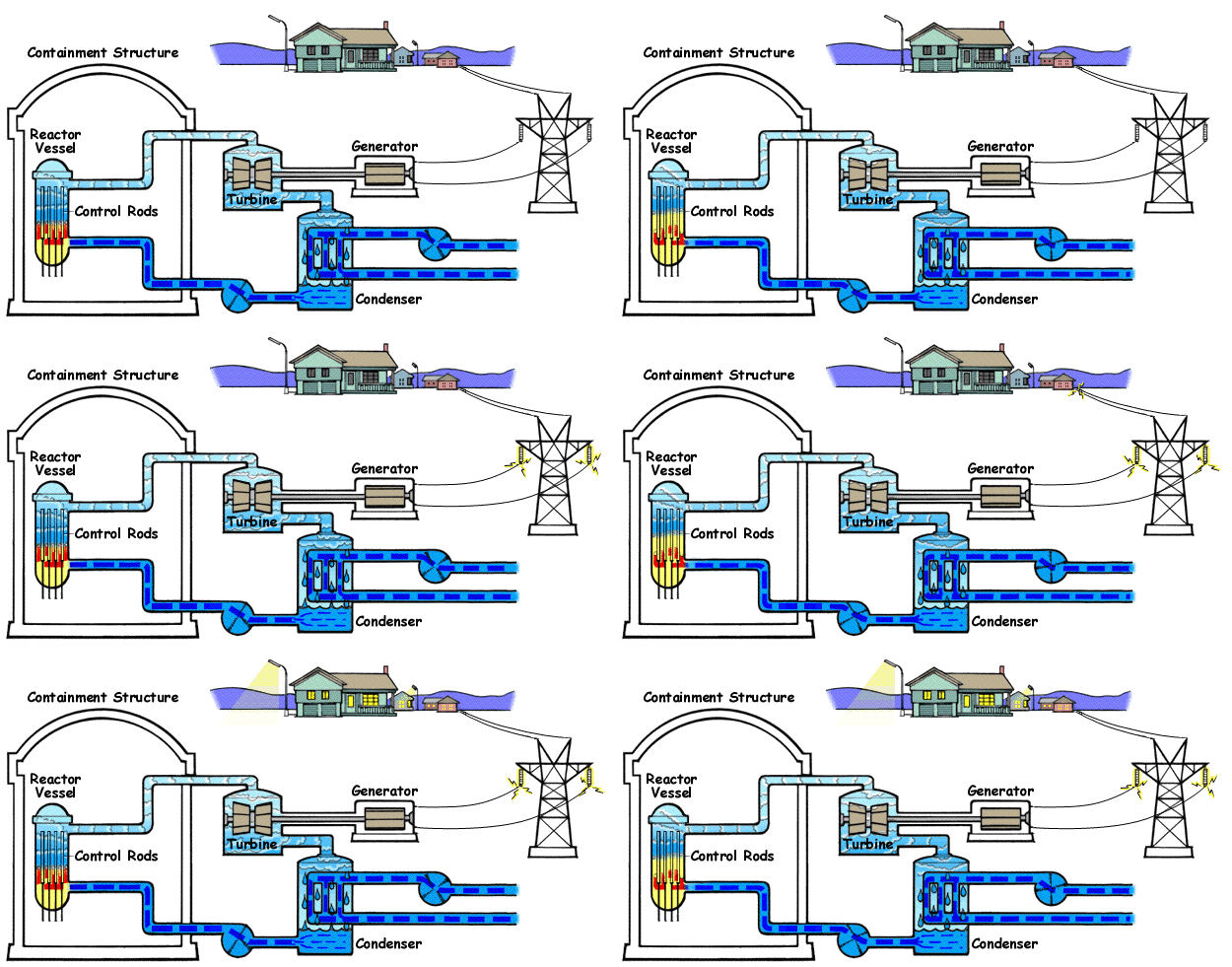
The nuclear chain reaction produces heat inside the reactor vessel and heats water to a very high temperature.
. Nuclear energy is created when uranium atoms are split in a process called fission. Unlike a fossil-fueled plant the nuclear plants energy does not come from the combustion of fuel but from the fissioning splitting of fuel. A reactor core contains many fuel assemblies.
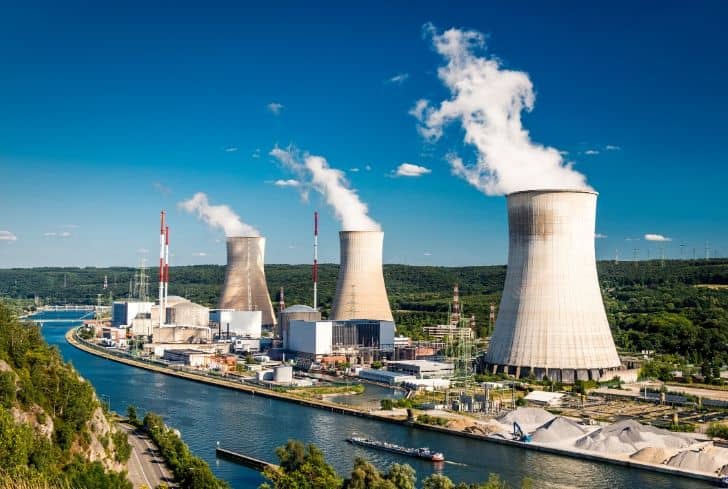
Nuclear plants cool the steam back into water in a separate structure at the power plant called a cooling tower or. The first geothermal power plant was built in 1911 in Larderello Italy. The water in the core is heated by nuclear fission and then pumped into tubes inside a heat exchanger.
Nuclear power plants also have large amounts of metal and concrete which require large amounts of energy to manufacture. Due to pressure inside the system the water does not boil. How do human-built nuclear power plants on Earth generate energy.
Navy Admiral Hyman. A Human History the Pulitzer-winning historian Richard Rhodes quotes the inventor of the first peaceful nuclear power plant US. This heat creates steam that is.
Hydrogen fusion in the Sun requires a temperature in Kelvin of. Human power production is not even on the radar in global-warming calculations. At the center of.
They also provide more clean energy to the grid than any other energy source accounting for more than half of the countrys clean energy electricity production. The total heat generated each day by all of humanitys power plants whether nuclear or other is an immeasurably small amount when compared with how much of the Suns energy is absorbed by the earth each day. Those tubes heat a separate water source to create steam.
The results apply across demographics in urban or rural areas red and blue states and even in coal-producing states. Process of splitting an atomic nucleus. Many plants contain more than one reactor.
Fusion reactions decrease the overall number of particles in the core causing the core to shrink converting gravitational potential energy into thermal energy and increasing the rate of fusion. As of December 3 2018 there were 98 operating nuclear reactors at 61 nuclear power plants in the United States. The heat created by.
The core water cycles back to the reactor to be reheated and the process is repeated. Geothermal energy is a result of the continuous radioactive decay of unstable elements beneath Earths surface and gravitational energy associated with Earths mass. As they split the atoms release tiny particles called fission products.
The source of all the energy the sun releases into space. Fission products cause other uranium atoms to split starting a chain reaction. Also we all have naturally-occurring Carbon-14 in our.
Fusion reactions decrease the overall number of particles in the core causing the core to shrink converting gravitational potential energy into thermal energy and increasing the rate of fusion. As the turbine blades turn they drive generators that make electricity. Duke Energys nuclear plants are safe and meet all Nuclear Regulatory Commission NRC requirements for safe operation.
Nuclear is often labeled a clean energy source because no greenhouse gases GHGs or other air emissions are released from the power plant. Where energy moves outward primarily in the form of photons of light. A solution developed at Argonne the Versatile Heat Transfer Module removes heat from the reactor via a.
Fission releases a tremendous amount of energy in the form of heat. Nuclear power plants generate electricity by using controlled nuclear fission chain reactions ie splitting atoms to heat water and produce steam to power turbines. Nuclear power plants are built to withstand a wide variety of external forces including hurricanes tornadoes fires floods and earthquakes.
This presents a problem when it comes to the construction of nuclear power plants. This water is under less pressure so the heat. Uranium is the fuel most widely used in nuclear reactors at power plants.
Nuclear Regulatory Commission is an independent federal government agency responsible for regulating the commercial use of nuclear materials. Reactor Concepts Manual Nuclear Power for Electrical Generation USNRC Technical Training Center 1-7 0703 Fission Like a fossil-fueled plant a nucl ear power plant boils water to produ ce electricity. Nuclear reactors require cooling which is typically achieved by pumping a fluid that can transfer the reactors heat to the power conversion cycle.
But this incredible technology isnt new. Energy Information Administration FAQs. If fossil fuels are used for mining and refining uranium ore or if fossil fuels are used when constructing the nuclear power plant then the emissions from burning those fuels could be associated with the electricity that nuclear power plants generate.
People who live near wind turbines strongly prefer wind over power plants that generate electricity from fossil fuels nuclear and even solar a new study shows. In his magisterial new book Energy. How do human-built nuclear power plants on Earth generate energy.
Presently the vast majority of electricity from nuclear power is produced by nuclear fission of uranium and plutonium in nuclear power plantsNuclear decay processes are used in niche applications. Achemical reactions Bnuclear fusion Cconverting gravitational potential energy into electricity Dnuclear fission Econverting kinetic energy into electricity. The Palo Verde plant in Arizona for example is made up of three separate reactors each with a capacity of 1334 megawatts.
Nuclear power is the use of nuclear reactions to produce electricityNuclear power can be obtained from nuclear fission nuclear decay and nuclear fusion reactions. How does the Sun generate energy today. Nuclear energy has been powering the US.
Form of hydrogen where the nucleus contains a proton and neutron rather than only a proton. Commercial nuclear power plants range in size from about 60 megawatts for the first generation of plants in the early 1960s to over 1000 megawatts. So there you have it.
Nuclear plants operated by Duke Energy like all US. Grid for the past 6 decades and produces around 1 gigawatt of power per plant on average. The steam then turns an electric generator to produce electricity.
Consequently nuclear plants are designed to withstand seismic activity. 4How do human-built nuclear power plants on Earth generate energy. This hot pressurized water flows through thousands of looped pipes while a second stream of water flows around the outside of the pipes inside the steam generator.
Humans have also managed to harness the geothermal energy of Earth to produce electricity. The nuclear reaction heats the fuel the fuel heats the water to make steam the steam spins the turbine the turbine turns the generator and the generator makes electricity. Ginna Nuclear Power Plant in New York is the smallest nuclear power plant in the United States and it has one reactor with an electricity generating capacity1 of 582 megawatts MW.
It is estimated by the World Nuclear Association that 20 of the worlds nuclear reactors are operating in areas of significant seismic activity - earthquake danger zones. The heat produced during nuclear fission in the reactor core is used to boil water into steam which turns the blades of a steam turbine. Wind Turbines Make Better Neighbors than Power Plants.
Power Plant Energy Education
Various Pros And Cons Of Nuclear Energy Conserve Energy Future
What Is Nuclear Power And Energy Ge Hitachi Nuclear Energy
Comments
Post a Comment