All of the Following Prevent and Control Nosocomial Infections Except
The results of the CDC Study of Efficacy of Nosocomial Infection Control suggested that 6 of all HAIs could be prevented by minimal infection control efforts and 32 by well organized and highly effective infection control programs 26 27A later review estimated that as many as 65 to 70 of cases of catheter-associated infections and 55 of cases of surgical site infections. Mng Pert TB HAV HBV HIV SURVEILLANCE Nosocomial infection.

Development And Validation Of A Competency Evaluation Model For Hospital Infection Prevention And Control Practitioners In The Post Pandemic Era A Mixed Methods Study Journal Of Hospital Infection
Measures of infection control include identifying patients at risk of nosocomial infections observing hand.

. BSI increases the mortality rate 67. And on the effectiveness of systematic interventions on aerosol. The Guideline for Infection Control in Hospital Personnel is part of the Guidelines for Prevention and Control of Nosocomial Infections.
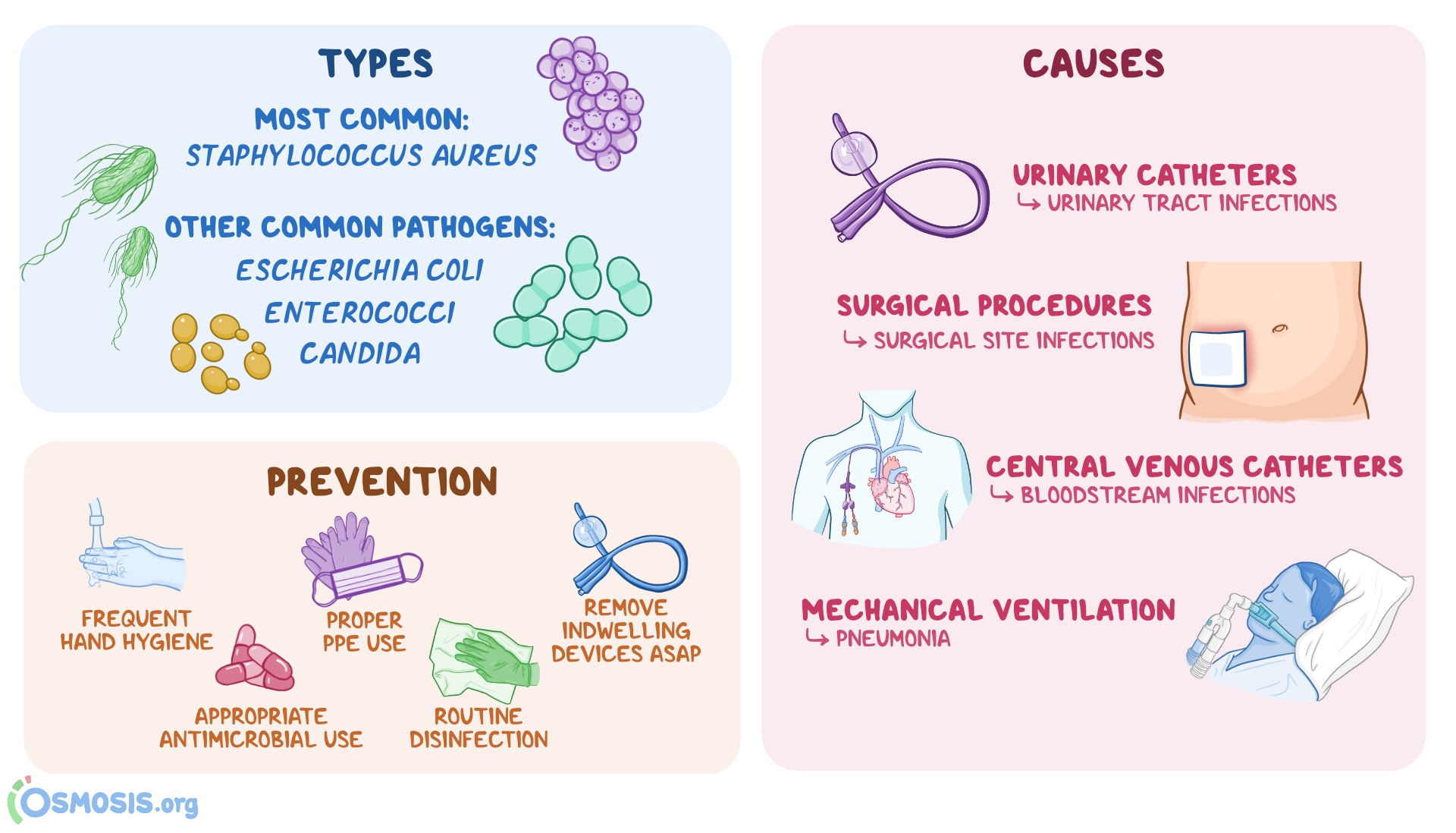
Healthcare-associated infections may become evident after a person leaves the healthcare facility. In March and April 2010 data were prospectively recorded from all inpatients at the Hannover Medical School Germany except those treated in the pediatric psychosomatic and. Most of these infections are preventable.
The HHS Steering Committee for the Prevention of Healthcare-Associated Infections was established in July 2008 the Steering Committee along with scientists and program officials across HHS developed the HHS Action Plan to Prevent Healthcare-Associated Infections external icon providing a roadmap for HAI prevention in acute care hospitals. Studies of their prevalence in single institutions can reveal trends over time and help to identify risk factors. Evidence-based best practices for infection prevention and control provide guidelines to healthcare providers to ensure safe quality care is provided to clients visitors healthcare providers and the healthcare environment.
Nosocomial infections NI increase morbidity and mortality. Although handwashing is considered the most important single procedure for preventing nosocomial infections two reports showed poor compliance with handwashing protocols by personnel in medical intensive care units especially by physicians 12 and personnel taking care of patients on isolation precautions 13. The CDC guidelines were developed to provide a central reference for professionals involved in infection control that contains CDC recommendations and is easily accessible to the infection control personnel in.
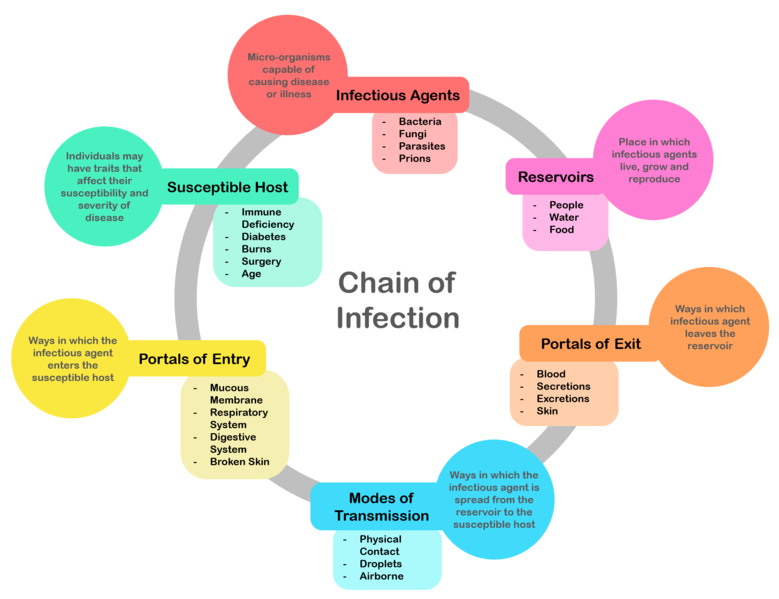
The CDC guidelines for preventing the spread of VRE include recommendations on the prudent use of vancomycin an educational program on VRE for hospital personnel routine testing of all enterococci isolated from blood and sterile body sites except urine for vancomycin resistance screening of all enterococcal isolates for vancomycin resistance if VRE are. Infection prevention and control refers to practices that can prevent or reduce the risk of transmission of microorganisms. For the prevention and control of nosocomial infections via the aerosol route more research is needed on identifying settings medical procedures or equipment that may be associated with an increased risk of aerosol transmission including defining which procedures are aerosol-generating.
Nosocomial infections or that occur as a result of healthcare interventions known as iatrogenic infections. About 72000 patients with these infections died while hospitalized. These guidelines written for clinicians contains evidence-based recommendations for the prevention of hospital acquired infections Hospital acquired infections are a major cause of mortality and morbidity and provide challenge to clinicians.
They may occur in different areas of healthcare delivery such as in hospitals long-term care facilities and ambulatory settings and may also appear after discharge. Primary bloodstream infection BSI is a leading infectious complication among critically ill patients It represents about 15 of all nosocomial infections 23 and affects approximately 1 of all hospitalized patients with an incidence rate of 5 per 1000 central-line days The impact on patient outcome is tremendous. Nosocomial infections also referred to as healthcare-associated infections HAI are infections acquired during the process of receiving health care that was not present during the time of admission.
Scope of Infection Control Prevention of Hospital Acquired Nosocomial Infections STANDARD PRECAUTIONS Handwashing Barrier precautions Sharps disposal ISOLATION PRECAUTIONS EMPLOYEE HEALTH CD Reporting HBV screening immunization BBFE TB MMR Varicella Work restriction Prophylactic Rx. For all infections except pneumonia the risk of developing a secondary bloodstream infection also varied. 1 A hospital-acquired infection is a type of healthcare-associated infection and refers specifically to.
The probability of developing a secondary bloodstream infection also varied significantly with the primary site of infection from 31 for incisional surgical site infection to 95 for organspace surgical site infection p 001. According to the Centers for Disease Control and Prevention CDC about 3 of hospitalized patients developed a healthcare-associated infection in 2015 about 1 in 31 or 687000 patients in total. 15 16 17 Strict infection control precautions are considered critical to prevent spread within.
The prevention and control measures for the COVID-19 pandemic have reduced the nosocomial infection in almost all departments except the ICU mainly regarding respiratory gastrointestinal and oral infections while catheter-related infections did. The Infection Control Assessment Tool ICAT is designed to facilitate the identification control and prevention of nosocomial infections through an easily-administered and scored instrument that highlights areas of concern and suggests economical improvements within hospitals. Up to 70 of hospitalized RSV infections on hematologyoncology wards are considered nosocomial.
Nosocomial Infections And Infection Control Medicine
Nosocomial Infection What Is It Causes Prevention And More Osmosis
Infection Prevention And Control Physiopedia


Comments
Post a Comment